

Products Liability Law Daily Wrap Up, EXPERT EVIDENCE—SPORTS AND RECREATIONAL EQUIPMENT—E.D. Mo.: In action against swimming pool manufacturer, claimants granted motion to compel expert study on similarly designed pools, (Jul 23, 2024)
Law Firms Mentioned:TorHoerman Law LLC | Watters Wolf LLC
Organizations Mentioned:Bestway (USA), Inc. | Rural King Holdings, LLP
By Nicholas Kaster, J.D.
Simply because the expert said he did not rely on or consider the previous research the claimants requested did not mean that such materials were not discoverable.
In a products liability action filed by the parents of a child who drowned in an allegedly defectively designed pool, a federal district court in Missouri has granted the parents a motion to compel the manufacturer and designer of the pool to produce materials related to a study conducted by its expert on swimming pools with a design similar to the pool at issue in the litigation. The claimants were entitled to inspect the materials for themselves to ensure that the expert’s conclusions in this case aligned with his previous research and to probe any ambiguity regarding the impact of the study on his opinions in this case, the court concluded (Justice v. Bestway (USA), Inc., No. 4:22-cv-00050-AGF (E.D. Mo. July 18, 2024)).
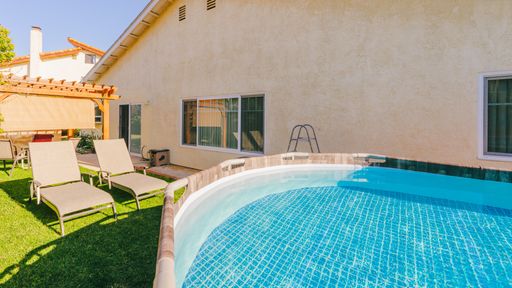
Background. On January 18, 2022, the parents of a two-and-a-half year old girl brought a wrongful death action against Rural King Holdings, LLP, and Bestway (USA), Inc. The suit stemmed from the drowning death of their daughter in an above-ground pool allegedly designed, manufactured, marketed, and sold by Bestway. The claimants alleged that their daughter accessed the pool by using a nylon band surrounding the outside of the subject pool as a foothold to scale the pool’s exterior wall, which they alleged created an unsafe condition.
As part of its defense, Bestway retained an expert in human factor issues. The expert produced a report in which he opined, in relevant part, that given the published literature on the climbing abilities of two-year-old children, it would not be expected that a child such as the claimants’ daughter would have been able to scale the pool through use of a nylon band approximately 37 inches below the top of a pool.
During the expert’s deposition on March 22, 2024, he testified that he had previously been hired as an expert by another pool manufacturer in another case. As part of his role in that case, the expert conducted a study on the ability of children between the ages of two and four to access an above-ground pool through use of a ladder equipped with various child protection devices. The expert affirmed that the pool used in that test had a nylon strap that ran around the exterior circumference of the pool, like the pool at issue in this case. The expert testified that his research did not specifically look at whether the children used the nylon strap to gain access to the pool. He further testified that he could not recall whether any children in the study used the band to assist them in gaining access to the pool. Though he provided a written report in that case, he did not provide testimony.
During the expert’s March 22 deposition and immediately following his testimony about his research in the previous case, the claimants’ attorney orally requested a copy of his report from the previous case and any photos or video taken during the research. Bestway’s counsel responded that the claimants could send their requests after the deposition and that they would be addressed at that time. Four days after the deposition, on March 26, the claimants’ attorney emailed Bestway’s counsel to request the written report and any photographs and videos taken during the testing. Bestway objected to the production because the materials were not relevant, were not relied upon by the expert informing his opinions in this case, and because of potential confidentiality and work product concerns.
Claimants’ motion to compel. On May 24, 2024, the claimants filed a motion to compel Bestway to produce materials related to the study. They argued that the expert’s previous research and report should be disclosed under Federal Rule of Civil Procedure 26(a)(2)(B) because the expert likely considered the facts and data contained within that report in forming his opinions in this case.
The claimants contended that “facts and data considered” under the rule should be construed broadly to include materials reviewed by experts, even if the expert does not rely on such materials in forming his conclusions. They further argued that the results of that research and the report concerning that research were directly relevant to their claim because the subject of the study was whether children of approximately the same age as their daughter could access a pool with a design similar to the pool at issue in this case.
Bestway argued that disclosure of the report and the other requested materials was neither required nor necessary. Bestway submitted an affidavit from the expert in which he asserted that he did not rely on or consider the study to inform his opinions in this case.
Bestway also challenged the relevance of the expert’s previous research to this case, emphasizing that the previous research focused not on whether children could access the pool via the exterior nylon strap, but instead focused on whether the children were able to defeat ladders with various child resistant features. Thus, because the claimants did not allege that their daughter used a ladder to access the pool, Bestway argued that the previous study would be unhelpful in resolving the issues in the case.
Bestway further contended that, regardless of the relevance of the previous study and report, a party is not entitled to an expert’s reports from previous, unrelated cases. In addition, because the claimants failed to request the materials via a “formal” discovery request, Bestway argued that it was under no obligation to disclose them. Finally, Bestway also argued that production would implicate “potential confidentiality and work product privileges.”
Disclosure of expert reports. Federal Rule 26(b)(1) provides that parties may obtain discovery regarding any nonprivileged matter that is relevant to any party’s claim or defense and proportional to the needs of the case. As to written reports of the parties’ experts, Rule 26(a)(2)(B)(ii) requires such reports contain “the facts or data considered by the witness in forming them.” And while Rule 26 does not require production of an expert’s report from other cases, the court noted that this was not the end of the inquiry.
The Committee Notes on the Rule’s 2010 amendments state, in relevant part, that the intention is that “facts or data” be interpreted broadly to require disclosure of any material considered by the expert, from whatever source, that contains factual ingredients. The disclosure obligation extends to any facts or data “considered” by the expert in forming the opinions to be expressed, not only those relied upon by the expert.
Additionally, under Rule 26(e)(2), “the party’s duty to supplement [an expert’s written report] extends both to information included in the report and to information given during the expert’s deposition.”
Here, the expert attested that, in forming his opinions in this case, he neither considered nor relied upon the previous research the claimants requested. Even so, said the court, simply because an expert says he did not “consider” materials does not mean that such materials are not discoverable.
Though the expert’s previous research did not directly pertain to whether the child participants could access that pool via its exterior nylon strap, it nevertheless could show that children of the same age as the daughter attempted to use the strap to gain access to the pool.
During his deposition, the expert could not say whether any study participants made such an attempt. The claimants were entitled to inspect the materials for themselves to ensure that the expert’s conclusions in this case aligned with his previous research and to probe any ambiguity regarding the impact of the study on his opinions in this case. Such materials were relevant and proportional to the needs of this case, said the court, and Bestway did not identify any real prejudice.
The court thus granted the claimants’ motion and instructed Bestway to disclose the expert’s previous expert report and any photos and videos of two and three year old participants taken during the study.
Lack of formal discovery request. The court found unconvincing Bestway’s argument that the motion to compel should be defeated because the claimants’ request was not a “formal” discovery request. The claimants requested the materials immediately after discovering their existence during the expert’s deposition on March 22, 2024, well before the close of discovery on May 24, 2024. Under Rule 26(e)(2), the duty to supplement rested with Bestway, said the court, and the claimants were not required to issue a formal request or specify a time, place, and manner for production.
Even if the materials did not fall within Rule 26(e)(2), said the court, Bestway invited the claimants’ counsel to send their request after the deposition and said it would respond. And the claimants’ counsel did so by email. Thus, Bestway should not be permitted now, after the close of discovery, to assert for the first time that a formal discovery request was required, said the court.
Confidentiality/work product issues. To the extent that Bestway was concerned about confidentiality and/or work product issues, said the court, those could be addressed by an appropriate protective order or by completing an appropriate privilege log per Federal Rule of Civil Procedure 26(b)(5). The court ordered the claimants and Bestway to confer to ensure that the production would not violate the privacy interests of any of the study participants. The court took no position on the potential admissibility of these materials. Bestway was free to challenge the admissibility of such materials at the appropriate time, the court said.
Accordingly, the claimants’ motion to compel was granted and Bestway was ordered to produce the requested materials within ten days of the entry of the court’s order.
The case is No. 4:22-cv-00050-AGF.
Judge: Fleissig, A.
Attorneys: Eric Michael Terry (TorHoerman Law LLC) for Kyle Justice and Annaleah Justice. Brandon B. Copeland (Watters Wolf LLC) for Rural King Holdings, LLP and Bestway [USA], Inc.
Companies: Rural King Holdings, LLP; Bestway (USA), Inc.
MainStory: TopStory ExpertEvidenceNews SportsandRecEquipmentNews MissouriNews