

Securities Regulation Daily Wrap Up, DERIVATIVES—D.D.C.: CME sues CFTC for allowing Kalshi to list perpetual contracts as futures, (Jun 18, 2026)
Organizations Mentioned:Chicago Mercantile Exchange, Inc.
By Rebecca E. Hoffman, J.D.
In its complaint, CME argued that the Commission’s actions “inflict textbook competitive injury on CME.”
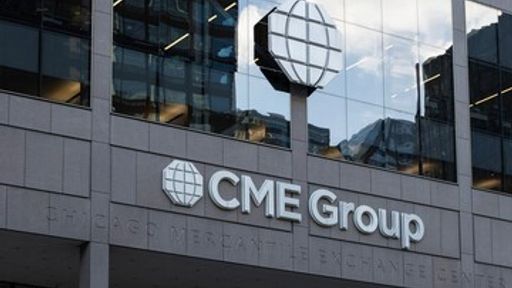
Chicago Mercantile Exchange Inc., on June 18, brought an action in federal district court for relief from the CFTC’s recent order permitting KalshiEX LLC to list a “perpetual contract” as a future, rather than a swap. The complaint alleges that the CFTC violated the CEA’s consistent classification of perpetual contracts as swaps, acting arbitrarily and capriciously (Chicago Mercantile Exchange Inc. v. Selig, No. 1:26-cv-02157 (D.D.C. June 18, 2026)).
The CFTC’s May 29 order approved the listing by KalshiEX of BTCPERP, a cash-settled derivative contract that references the spot price of one bitcoin. In its accompanying policy statement of June 3, the CFTC purported to permit DCMs to self-certify contracts that are the same type as those approved in the Kalshi order. The exchange seeks vacatur of the order and policy statement, claiming that they violated the CEA.
Because the new derivatives that Kalshi is permitted to offer will compete directly with CME’s existing “smaller-sized” offerings for retail investors based on cryptocurrency values, CME—part of the largest derivatives marketplace in the world—claimed standing based on competitive injury.
Categorical change. The complaint explained that perpetual contracts, which track the current price of an underlying asset, such as Bitcoin, and which lack an expiration date, have heretofore been classified as swaps. The Commission’s order and policy statement effectively approve perpetual contracts as futures rather than swaps, “thereby relieving that derivative of the regulatory burdens Congress imposed on swaps and affording it favorable tax treatment,” the complaint asserted.
On April 21, 2025, the CFTC had requested public comment on perpetuals, asking various questions including whether they should be categorized as swaps or futures, but “[t]he CFTC did not address any of the more than 150 comments it received, nor did it issue a final rule,” the complaint lamented.
Swaps/futures distinction. CME observed that swaps do not convey an ownership interest in an underlying asset. Futures, by contrast, are satisfied by delivery or offset of the commodity that the contract promised in the future. Swaps are strictly regulated in terms of required registration for dealers, margin, data reporting, segregation of funds, and tax treatment. The complaint argued that perpetual contracts fall within the CEA’s statutory definition of a swap because “a perpetual does not convey any interest in a commodity and lacks any expiration date so is not a ‘contract of sale of a commodity for future delivery,’” like a futures contract.
According to CME, the CFTC did not consider the comments from the public on this issue, or seek further comment on Kalshi’s application but, instead, “acted overnight” to give Kalshi what it asked for despite the “‘novel’ and ‘complex’ issues” raised.
Perpetual contracts depend on the “funding-rate mechanism” to maintain the trading price, as opposed to the price convergence encouraged by the expiration date of a contract. The Commission’s order, which was issued by CFTC chair Michael Selig alone as the sole commissioner, “categorically alters” the environment, CME argued. It also pointed to the June 12 staff letter that granted no-action relief to Bitnomial Exchange, LLC and Coinbase Derivatives, LLC, allowing them to remove expiration dates from their “perpetual-style digital commodity futures.”
The CME requested that the court vacate the order and policy statement, declare that the contracts in question are swaps, and declare that the CFTC acted unlawfully by failing to stay the listing of perpetual digital commodities contracts.
The case is No. 1:26-cv-02157.
MainStory: TopStory CFTCNews CommodityFutures Derivatives ExchangesMarketRegulation Swaps DistrictofColumbiaNews